

Here’s what separates the agents who convert from the ones who don’t:
It’s not more leads.
It’s not the best timing.
It’s how they communicate.
Same conversations. Different outcomes.
This week, we’re looking at how small shifts in wording change everything; how you open, how you ask, and how you guide the conversation forward.
Here’s what is in this week’s edition:
🪝 Steal The Hook — Because the scroll doesn’t stop by accident
🧠 Follow The Leader — Negotiate like your life depends on it
🏆 And the Oscar Goes To… — The one who says the part others avoid
Let’s get into it.
Steal The Hook
The difference between saying it and packaging it
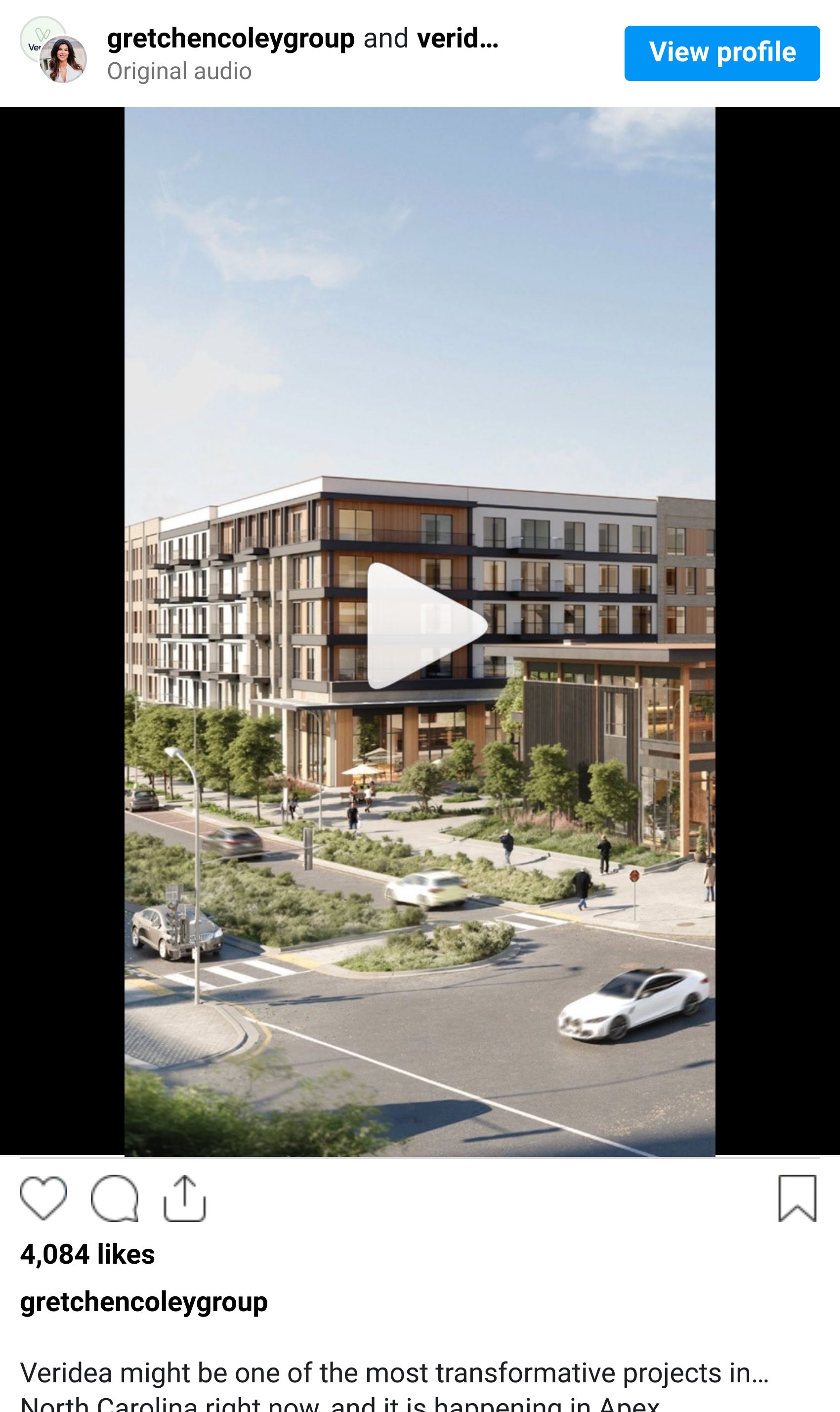
43 seconds. 180,000 views.
No heavy production. No flashy editing. Just a sit-down video and an opening line that sets everything up.
Most folks think hooks are just about getting the click.
They’re not. They’re about buying the next 5 seconds.
Here’s what’s actually happening in this video:
The creator creates and then resolves a gap.
Something big is going on. Other people don’t know yet. And you probably should.
That’s the tension.
And people don’t like not knowing.
Now compare it to how most agents would say the same thing:
“New development coming to the area…”
Accurate. And completely ignorable.
Same information. Different emotional trigger.
One informs. One pulls you forward.
The part that’s easy to miss
“Comment ‘2026’ if you’re planning to move to Apex.”
467 comments. It’s a CTA, yes, but it’s also a filter.
Everyone who responded just sorted themselves for you.
Buyers. Timing. Intent. Area. All visible.
Every market has this.
Projects. Shifts. Signals before they’re obvious.
You don’t need more content. You need to stop explaining things like they’re already understood.
Say it in a way that makes people feel like they’re about to catch up.
That’s where attention lives. Steal that.
Follow The Leader
The question that changes the conversation

If you want to get better at converting conversations into clients, study Chris Voss.
He’s a former FBI hostage negotiator and the author of Never Split the Difference.
His entire career was built on one thing: getting people to open up when they don’t want to.
That applies a lot more to real estate than most people realize.
Because most deals don’t fall apart over price, they fall apart during conversations.
The Shift Most Agents Miss
Most agents walk in trying to move things forward.
Push for the meeting.
Push for the terms.
Push for the decision.
That’s where resistance starts.
Here’s the idea Voss is known for:
“The fastest way to get someone to say yes is to make it easy for them to say no.”
It sounds backwards. It’s not.
When people feel pushed toward yes, they protect themselves.
When no one feels safe, they relax. And once that happens, you actually get to the truth.
What That Looks Like in Practice
Instead of saying:
“Does Tuesday work for a listing appointment?”
Try saying this instead:
“Would it be a bad idea to get together on Tuesday and walk through your options?”
Same ask. Different pressure.
One feels like a decision. The other feels like a conversation.
Where This Matters Most
Think about the moments where things usually stall:
the seller who goes quiet
the buyer who keeps “thinking about it”
the lead who says, “not right now”
Most agents respond by pushing harder.
More follow-ups.
More pressure.
More “just checking in.”
That usually makes it worse.
A Better Way In
Try this:
“Have you given up on the idea of making a move this year?”
That question does something most follow-ups don’t: It gives them space to say no.
And that’s usually what gets them talking again.
Another one:
“It seems like timing might be the issue. Am I off there?”
Now you’re understanding, not convincing.
And when someone feels understood, they open up.
The Takeaway
This isn’t about scripts.
It’s about how your words change the feel of a conversation.
The right phrasing doesn’t just push people forward. It makes it easier for them to move.
That’s the difference.
And the Oscar Goes To…
What happens when you stop trying to sell the city

“I’ve lived in Minneapolis all my life… here are my honest thoughts.”
Most agents would open by selling the upside.
Jason Huerkamp starts with the parts people usually avoid.
He talks about:
the winters
the taxes
what’s changed downtown

Most agents wouldn’t do that. They’d start with: what’s great, what’s growing, what people love.
Because that feels safer.
This video does something different.
It doesn’t try to win everyone over. Instead, it draws a line.
“This works for some people. It doesn’t for others.”
And that’s what makes it believable.
The video isn’t trying to convince you to move there. It’s helping you decide if you should.
That’s a different role, and it changes how everything is received.
You can feel it as you watch
You’re not thinking: “Is this person selling me?”
You’re thinking: “Do I fit in here?”
That’s what keeps people engaged.
Copy/paste title formula:
“Living in [City]: What People Love (and What They Don’t)”
More options that fit the same pattern:
“Before You Move to [City], Here’s What You Need to Be Okay With”
“The Truth About Living in [City] (From Someone Who’s Been Here [X] Years)”
Who Should Move to [City] (and Who Shouldn’t)”
The Real Takeaway
Most agents communicate to persuade, but the smarter move is to communicate to filter.
Say what’s great.
Say what’s not.
Say who it actually works for.
When your communication filters out the wrong people, the right people move faster.
That’s where trust comes from.
What you say is heard, but how you say it is remembered.
It’s not what you say.
It’s how you say it.
That’s what drives attention.
That’s what drives conversations.
That’s what builds trust.
We’ll break down three more next week.
P.S. If you want to become a better marketer in just 30 min, join me for tomorrow’s private Fast Track session. Get all the details here.