

Information isn't what wins people over.
The way it lands is.
You can have the right data, the right price, the right strategy, and still watch someone tune out because the message didn't connect.
This week is about the mechanics of that. Three different scenarios, same underlying problem: how something is framed determines whether it moves people or doesn't.
Here's what's in this week's edition:
🪝 Steal The Hook — The one that feels familiar, and works because of it
🧠 Follow The Leader — Who makes the method part of the pitch
🏆 And the Oscar Goes To… — When “everything looks fine” is the problem
Let's get into it.
Steal The Hook
The strongest hooks aren’t new. They’re familiar.
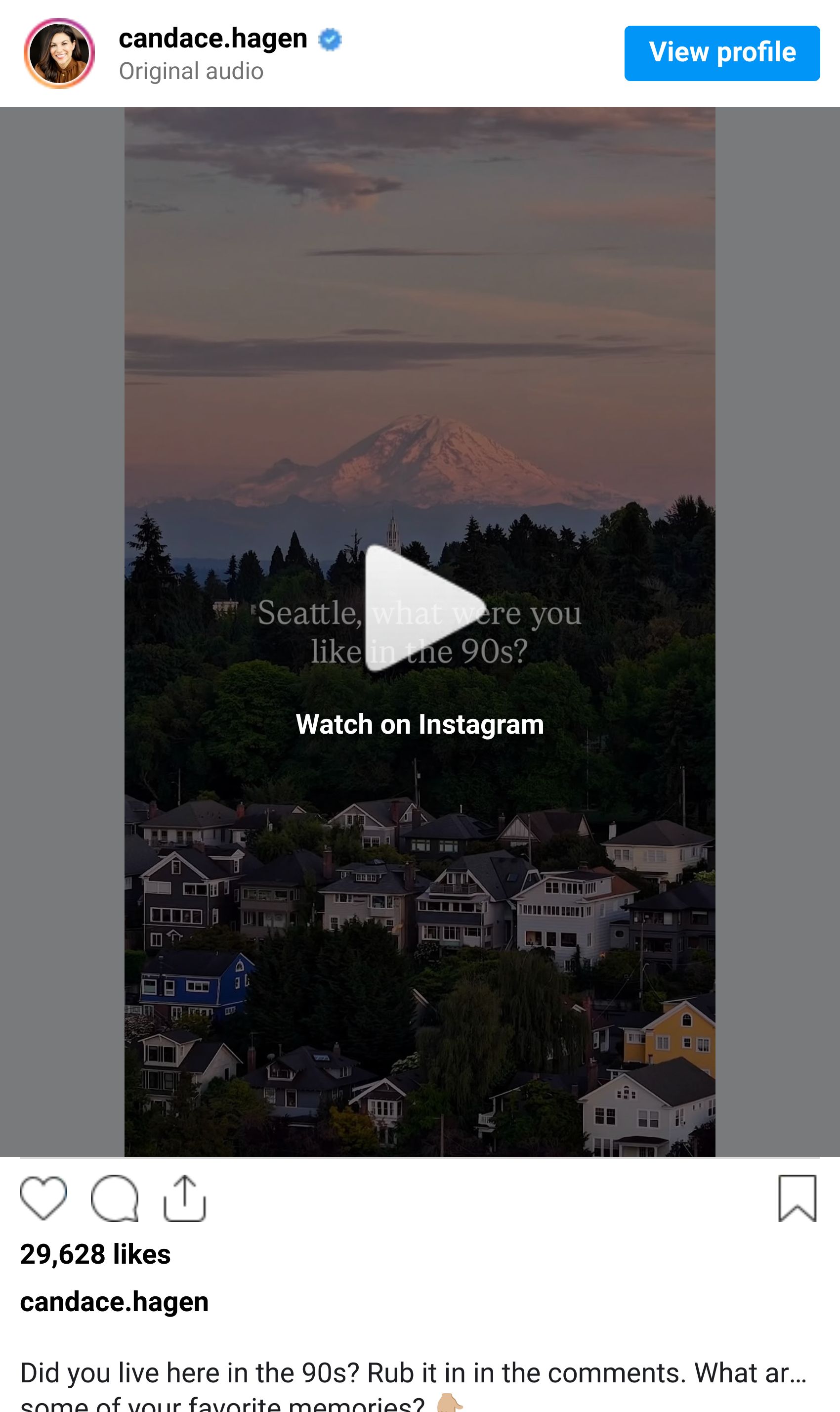
No listing. No stats. No CTA.
That line works because it doesn’t ask the audience to learn anything yet. Instead, it asks them to re-enter a place they already know.
What’s Actually Happening
A lot of creators treat hooks like they need surprise.
Sometimes recognition does the job better, because it opens a loop through memory. Coffee shops people miss. Streets that changed. The houses they grew up around.
The content isn’t selling a move. It’s reconnecting people with their relationship to a place.
Why It Works
Familiarity lowers the work required to engage.
The viewer has all the context they need.
That makes the post easier to step into than another generic “3 things to know before moving here” video.
Every city has a version of this:
“Remember when [neighborhood] was the best-kept secret in [city]?”
“Things have changed in [area] since 2005. Which place do you miss the most?”
“If you grew up in [city], you’ll remember every one of these.”
Instead of leading with information, you’re leading with recognition.
That’s the part to steal.
Follow The Leader
Give them a reason to believe your way works

Copy is your most scalable salesperson.
If you want to understand why some messages convert and others don’t, study Joanna Wiebe.
She breaks it down clearly here.
One idea stands out:
Claims don’t carry much weight on their own. Explanations do.
Joanna uses the Scrub Daddy sponge to show this.
At first, it sounds like every other product: “cleans better,” “lasts longer,” “handles tough messes.”
Then they introduce FlexTexture.
A material that changes based on water temperature — firm in cold water for scrubbing, soft in warm water for wiping.
That’s the moment the pitch clicks.
Now there’s a reason behind the result.
The same thing happens in real estate.
You promise strong marketing, smart pricing, and a better outcome. From the client’s POV, a lot of that blends together.
What separates one agent from another is the explanation.
The agents who stand out make their process easy to follow. They show how their approach works and why it leads to a stronger result.
It sounds like this:
“[Our approach] works because of [mechanism name], which leads to [specific outcome].”
For example:
“Our listings generate stronger early demand because of our 3-Day Demand Window, which concentrates attention before interest starts to fade.”
“We price homes using our Micro-Market Mapping process, so pricing reflects real buyer behavior in your exact area, not broad ZIP-code averages.”
At that point, the client isn’t sorting through vague promises.
They can follow the logic.
And when the logic is easy to follow, the decision usually gets easier too.
The Takeaway
A clear explanation changes how your message lands.
Give your process a name. Show how it works. Tie it to a result the client cares about.
That’s what turns a general promise into something people can understand and act on.
And the Oscar Goes To…
Why “this might cost you” gets attention faster than “this looks good”

That’s how the video opens.
Then one line reframes the entire thing:
“…and that’s exactly what’s putting buyers and sellers at risk.”
That shift is doing all the work.
Because now you’re not watching a market update, you’re watching something you might be misreading.
And that’s what keeps people in.
Not fear. Not urgency.
Uncertainty.

As the video unfolds, that thread stays consistent:
things aren’t falling apart
but they aren’t simple either
and the easy read isn’t always the right one
Now the viewer is leaning in for a different reason.
They’re trying to make sense of something that doesn’t line up the way they expected.
Copy/paste title formula
“[City] Real Estate in [Year]: What Looks Stable (and What Isn’t)”
More options that fit the same pattern:
“Thinking About Moving to [City]? Here’s What Most People Misread”
“[City] Market Update: What’s Actually Changing (and What People Are Missing)”
“Before You Buy in [City], Here’s What the Numbers Don’t Tell You”
“What’s Happening in [City] Right Now (and Where People Get It Wrong)”
The Real Takeaway
Agents tend to spend their time explaining what’s happening.
The stronger move is to slow people down before they act on the wrong read.
Because decisions don’t usually go sideways from a lack of information.
They go sideways from a confident assumption that wasn’t quite right.
Good marketing doesn’t just explain.
It gives people a reason to believe, a way to follow the logic, and enough clarity to act.
We’ll keep breaking that down next week.
P.S. Want to go even deeper on the strategies behind what works? Head over to ListingLeads.com, new resources drop every week for agents who want an edge.